
Independent guide · All 50 states + DC
People get better from this. Here’s how.
Plain answers about opiate withdrawal, treatment and what it really costs. No sales calls.
Read the withdrawal timeline- Not owned by a rehab
- Sources cited on every page
- Listings are never paid
- All 50 states + DC
Where are you right now?



“You don’t have to hit rock bottom.”
Waiting makes it harder, not easier. Help works earlier than most people think.
Why earlier is betterWhat the evidence says
No testimonials here. These are public findings, each linked to its source.
-
7 in 10
adults who have ever had a substance use problem say they are in recovery or have recovered. Source: SAMHSA, National Survey on Drug Use and Health
-
59% fewer
opioid overdose deaths over the next year among overdose survivors who received methadone, and 38% fewer among those who received buprenorphine, in an NIH-funded study. Source: National Institutes of Health
-
2 to 3 minutes
is how fast naloxone can restore normal breathing during an opioid overdose. Pharmacies sell it without a prescription. Source: CDC, Lifesaving Naloxone
What withdrawal feels like, day by day
-
8 to 24 hours
Early symptoms begin.
-
Days 1 to 3
Symptoms peak.
-
Days 4 to 7
Symptoms start to ease.
-
Week 2 and after
Healing continues. Ups and downs are normal.
Typical for short-acting opioids such as heroin or oxycodone. Timing varies from person to person.
What treatment really costs
With Medicaid
Many services may be fully covered. Coverage varies by state.
See your options: With MedicaidWith private insurance
Most plans cover treatment. Your costs depend on your plan and provider.
See your options: With private insuranceWith no insurance
There are low-cost and no-cost options. We’ll help you find what’s available.
See your options: With no insuranceFind treatment centers in your state
- California
- Texas
- Florida
- New York
- Ohio
- Pennsylvania
- Illinois
- Georgia
- North Carolina
- Michigan
- Arizona
- Washington
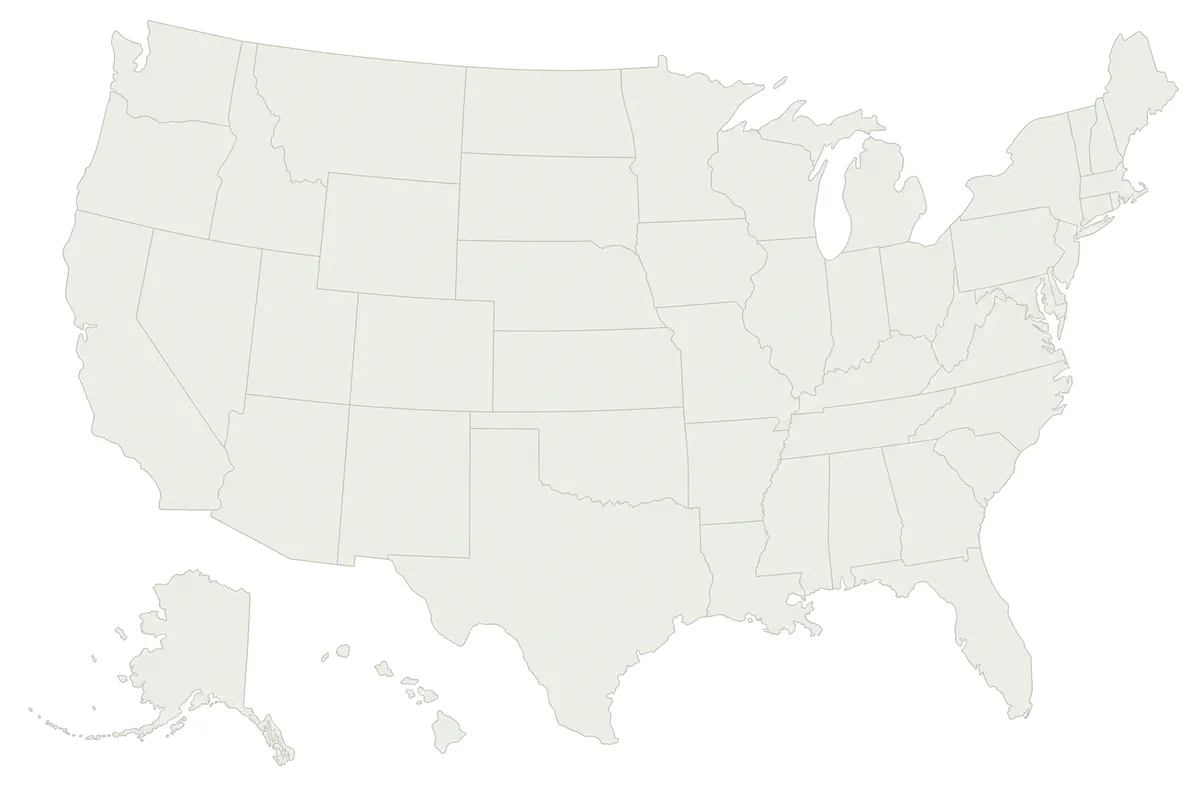
Real, licensed facilities from public records. No paid placements.
How this site works
- Who we are
- An independent information resource. No treatment center owns or runs this site.
- Where listings come from
- Public records, starting with the federal FindTreatment.gov locator. The criteria are shown on every state page.
- What nobody pays for
- A place on a list. If a listing ever becomes paid, the page will say so.
- What we are not
- A medical provider. Health information here is cited to SAMHSA, NIDA, CDC and FDA and does not replace care from a clinician.
Questions people ask us
How long does opiate withdrawal last?
For short-acting opioids like heroin or oxycodone, symptoms usually start 8 to 24 hours after the last dose and last 4 to 10 days. For long-acting opioids like methadone, they start later, around 12 to 48 hours, and can last 10 to 20 days. Sleep, mood and cravings can take longer to settle.
Is medication treatment just trading one drug for another?
No. Buprenorphine and methadone are FDA-approved medicines. Taken as prescribed, they stop withdrawal and cravings without the high, so a person can work, parent and think clearly. People who stay on them are much less likely to overdose.
Can I get treatment without insurance?
Yes. State-funded programs, community health centers and sliding-scale clinics treat people with no insurance, and many people qualify for Medicaid without knowing it. SAMHSA’s free helpline, 1-800-662-4357, can point you to programs near you.
Will my job find out?
Not from your treatment program. Federal privacy rules for substance use treatment bar programs from sharing your records without your written consent, with narrow exceptions such as a medical emergency. If you need time off, you can usually ask for medical leave without naming the condition to your manager.